Stain Removal in Everyday Life: Practical Methods, Smart Prevention, and Lasting Fabric Care
Stain removal is one of those household skills that saves time, money, and frustration. Whether you are dealing with a fresh coffee spill on a shirt, grease on upholstery, ink on a bag, or wine on a tablecloth, the right stain removal approach can make a dramatic difference. The key is not just acting quickly, but also choosing the correct method for the surface, the fabric, and the type of stain. With the right techniques, stain removal becomes less of a panic-driven chore and more of a reliable routine that protects your clothes, furniture, and home textiles.
Many people assume stain removal is all about scrubbing harder, but that is often the fastest way to spread the mess or damage delicate fibers. A smarter approach uses stain type, temperature, cleaning agents, and timing to work together. From protein-based spills to oil-based marks, every stain behaves differently, which is why stain removal methods should be tailored rather than guessed. This article explores practical ways to handle common stains, reduce set-in damage, and maintain fabrics and surfaces for longer use.
Another important part of stain removal is prevention. The best cleaning result often starts before a stain happens. Choosing stain-resistant materials, acting immediately when spills occur, and keeping a simple cleaning kit nearby can greatly improve outcomes. If you want cleaner clothes, fresher upholstery, and fewer permanent marks, learning the basics of stain removal is a worthwhile investment. Book your service now if you need expert help for stubborn or recurring stain issues.
Why Stain Removal Matters for Homes, Clothing, and Upholstery
Stain removal is about more than appearance. A stain left untreated can weaken fabric fibers, create odors, and become harder to eliminate over time. In clothing, a spill that seems harmless at first may oxidize, darken, or bond with the material after washing or heat exposure. On upholstery, neglected stains can seep into padding and become a long-term problem. Proper stain removal protects the value and lifespan of the items you use every day.
For households with children, pets, or busy routines, stain removal is especially important because accidents are common. Food spills, mud, makeup, pet messes, and beverage stains can happen on a daily basis. Without a strategy, these marks pile up and create a worn-out look. Effective stain removal keeps spaces looking fresh and helps maintain a hygienic environment, especially in high-traffic areas.
There is also a financial benefit. Replacing a stained garment, rug, or sofa can cost far more than treating the problem early. Smart stain removal helps extend the life of your belongings and reduces unnecessary replacement costs. In many cases, a small amount of attention in the first few minutes after a spill can prevent a costly repair or replacement later.
How Stains Work: Understanding the Science Behind Stain Removal
Successful stain removal starts with understanding what the stain is made of. Stains generally fall into a few broad categories: water-based, oil-based, protein-based, tannin-based, dye-based, and combination stains. Each behaves differently because it interacts with fabric and surfaces in its own way. A coffee stain, for example, is often tannin-based, while salad dressing is usually oil-based. Treating them the same way rarely works well.
Heat can make stain removal more difficult. When a stain is exposed to hot water, a dryer, or an iron before it is fully removed, it may bond more tightly to the fabric. That is why many stain removal experts recommend cool or lukewarm water at the beginning unless the cleaning label says otherwise. Patience matters just as much as the product you use.
Porous surfaces also make stain removal more challenging. Cotton, linen, upholstery fabric, carpet, and unfinished wood can absorb liquids quickly, allowing stains to penetrate deeper. By contrast, smoother surfaces may hold the stain on top, making them easier to clean. Knowing how fast a material absorbs liquid helps you choose the right stain removal approach before the stain has time to set.
Fast Action Tips for Better Stain Removal Results
The first few minutes after a spill are critical. Fast action can mean the difference between easy stain removal and a permanent mark. Start by blotting, not rubbing. Blotting absorbs excess liquid without pushing the stain deeper into the fibers. Use a clean cloth, paper towel, or absorbent pad and work from the outside of the stain inward.
Next, check the care label or surface instructions before applying any cleaner. Some materials require cold water, while others need specialized stain removal products. Testing a cleaning solution on a hidden area is a smart habit, especially for delicate fabrics, dyed textiles, and upholstered furniture. A quick test helps prevent discoloration, fading, or texture damage.
It also helps to avoid adding unnecessary products. Mixing cleaners can create poor results or even unsafe reactions. When in doubt, start with the mildest stain removal method that is likely to work, then move to stronger treatment only if needed. Often, a simple process using water, gentle soap, and patience works surprisingly well.
Quick response checklist
- Blot excess liquid immediately.
- Identify the stain type if possible.
- Check the care label or surface instructions.
- Test cleaners on a hidden area.
- Air dry only after the stain is gone.
Common Types of Stains and the Best Removal Methods

Different stains require different stain removal strategies. Understanding the category helps you choose the right method faster and avoid making the problem worse. Below are some of the most common stain types and how to handle them effectively.
1. Food and beverage stains
Food and drink are among the most frequent causes of stain removal needs. Coffee, tea, juice, sauce, and wine can all leave visible marks. For many beverage stains, cold water and blotting are useful first steps. Mild liquid detergent or an oxygen-based cleaner may help lift the remaining discoloration. For greasy foods, pre-treating with a grease-fighting solution before washing can improve stain removal results.
2. Oil and grease stains
Oil-based stains require a different approach because water alone will not break them down. Instead, absorb excess oil first with a dry cloth or paper towel, then apply an absorbent powder if needed. Dish soap is often effective in stain removal for grease because it is designed to break apart oily residue. Gently work it into the spot, let it sit briefly, and rinse before washing.
3. Protein-based stains
Protein stains include blood, sweat, dairy, eggs, and some pet messes. These stains respond best to cold water at first because heat can cause proteins to set. Enzyme-based products are often powerful in stain removal for this category because they help break down organic material. Always avoid hot water until the stain is completely gone.
4. Ink and dye stains
Ink stains can spread quickly, so careful stain removal is important. Place an absorbent cloth under the stained area if possible, then apply the cleaning product gently from the edges inward. Depending on the fabric, rubbing alcohol or specialized ink removers may help. Since dyes can transfer, always use light pressure and test first.
5. Mud and dirt stains
Let mud dry before attempting stain removal. Once dry, brush off the loose dirt carefully, then rinse or wash as appropriate. Trying to remove wet mud too aggressively often pushes it deeper into the fibers. A combination of brushing, soaking, and mild detergent usually delivers good results.
Stain Removal by Surface: Clothes, Carpet, Upholstery, and Hard Surfaces

Stain removal depends not only on the stain type, but also on the surface affected. What works on a shirt may not work on a couch, and what works on tile may damage wood. Matching your method to the material improves safety and effectiveness.
Clothing
For clothing, stain removal should begin as soon as possible. Blot the area, pre-treat the spot, and wash according to the care label. If the garment is delicate, hand washing or professional cleaning may be better than machine treatment. Avoid drying until you are sure the stain is gone, because heat can lock it in permanently.
Carpet
Carpet stain removal must be done carefully to prevent spreading or soaking into the underlayer. Use a white cloth to blot the spill, then apply a suitable carpet-safe cleaner. Work from the outside toward the center and avoid oversaturating the area. After cleaning, blot dry and allow airflow to speed up drying.
Upholstery
Upholstery stain removal should be gentle because fabric, foam, and seams can trap moisture. Use minimal liquid and follow the manufacturer’s cleaning code if available. Vacuuming first can remove loose dirt before cleaning. For stubborn spots, a targeted upholstery cleaner may be the safest option.
Hard surfaces
For countertops, tiles, glass, and sealed surfaces, stain removal is usually easier. Wipe spills quickly and use a cleaner appropriate to the surface finish. Be cautious with abrasive pads or acidic products on delicate stone, since they can cause permanent etching. Contact us today if your surface stains keep returning or need special care.
Safe Stain Removal Products and Ingredients
Choosing the right products is a major part of effective stain removal. Some cleaning ingredients are gentle and versatile, while others are stronger and best reserved for tough spots. The best choice depends on the stain, the fabric, and the level of sensitivity the item can tolerate.
Detergent is one of the most common stain removal tools because it works on many everyday spills. Dish soap is helpful for grease, while laundry detergent is useful for pre-treating clothing stains. Enzyme cleaners are particularly useful on organic stains such as food, blood, and pet accidents because they break down the stain at a molecular level.
For whitening and odor control, oxygen-based cleaners can support stain removal without the harshness of chlorine bleach on many fabrics. Hydrogen peroxide can also help with some stains, but should always be tested first. Baking soda is a useful absorbent and deodorizer, especially for fresh spills and surface cleaning. White vinegar may help with certain mineral or odor-related stains, though it is not suitable for every surface.
Here is a simple selection list:
- Mild liquid detergent for general stain removal
- Dish soap for grease and oil stains
- Enzyme cleaner for organic stains
- Oxygen-based cleaner for brightening and lifting
- Baking soda for absorption and deodorizing
- White vinegar for specific odor and residue issues
Important safety note
Never assume that stronger means better. In stain removal, overusing harsh chemicals can fade colors, weaken fibers, or damage finishes. Read labels carefully and prioritize the safest product that can still do the job. When treating valuable items, professional stain removal may be the smartest option.
Stain Removal Mistakes to Avoid
Even with good intentions, some common mistakes can make stain removal harder. Rubbing too aggressively is a major one, because it can spread the stain and roughen the fabric surface. Using hot water too soon is another frequent error, especially with protein stains. It is also common to apply too much cleaner, which can leave residue that attracts dirt later.
Another mistake is waiting too long. The longer a stain sits, the more difficult stain removal becomes. This is especially true for dyes, oils, and tannins. A quick response often matters more than a complicated solution.
Avoid drying the item before you are sure the stain is gone. Heat can make stain removal nearly impossible after the fact. If needed, repeat gentle treatment rather than rushing the process. Persistent spots often respond to patience, not force.
Common errors checklist
- Rubbing instead of blotting
- Using hot water too early
- Mixing incompatible cleaners
- Overwetting carpets or upholstery
- Drying before the stain is removed
Natural vs. Commercial Stain Removal Methods
Many people prefer natural stain removal solutions because they are affordable, accessible, and often gentle. Baking soda, vinegar, lemon juice, and salt are widely used for lighter cleaning tasks. These methods can be effective for some stains, especially when used promptly. However, natural products are not always enough for tough or old marks.
Commercial stain removal products often provide stronger, more specialized results. They are formulated to target certain stain types and can save time when dealing with stubborn discoloration. The tradeoff is that they may be more expensive or require extra care in use. The best approach is often a balanced one: start with a safe, simple method, then move to a stronger product if the stain remains.
For households that prefer low-odor or more eco-friendly stain removal, it is worth reading labels carefully and choosing concentrated products that work efficiently. Less waste, fewer harsh chemicals, and targeted application can all support a smarter cleaning routine.
How to Prevent Future Stains
Prevention is an important part of stain removal because fewer stains means less work later. Small habits can significantly reduce the chance of marks and spills becoming permanent. Use placemats, washable covers, and protective sprays where appropriate. Keep napkins or cloths handy in eating areas, and encourage immediate cleanup when accidents happen.
Fabric choice also matters. Some textiles and finishes resist stains better than others. Darker colors, tighter weaves, and treated materials often hold up better in busy environments. In homes with pets or children, stain-resistant upholstery and rugs can be a practical investment.
Regular maintenance is another form of prevention. Vacuuming, wiping surfaces, and laundering items before soil builds up all support easier stain removal later. The cleaner the item is overall, the easier it is to spot and treat a fresh spill before it spreads.
When Professional Stain Removal Is Worth It
Some situations call for expert stain removal. Delicate fabrics like silk, wool, and vintage textiles can be damaged by do-it-yourself methods. Large upholstery stains, deeply set carpet marks, and repeated discoloration may also need advanced treatment. Professional cleaning can offer specialized equipment and chemistry that go beyond basic home products.
Professional stain removal is especially useful when the item is valuable, sentimental, or difficult to replace. This includes formalwear, heirloom linens, leather goods, and specialty furnishings. If the stain has already been heat-set or treated unsuccessfully at home, expert help may be the safest next step.
Rather than waiting until the problem worsens, it is often smarter to seek professional stain removal early when the item matters most. A timely decision can preserve both appearance and structure, while saving you the frustration of repeated failed attempts.
Practical Stain Removal Routine for Busy Households
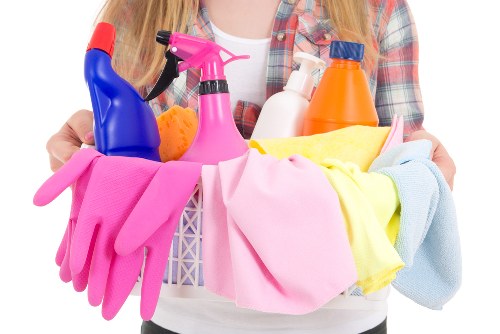
One of the easiest ways to stay ahead of spills is to create a simple stain removal routine. Keep a small cleaning station with absorbent cloths, mild detergent, stain remover, and a soft brush. Store it in a convenient place so you can respond quickly. Label products clearly and make sure everyone in the household knows the basics of blotting, testing, and avoiding heat too soon.
For laundry, inspect items before drying and pretreat visible marks immediately. For carpets and upholstery, address spills as soon as they occur and allow enough drying time afterward. For kitchen and dining areas, clean surfaces regularly so residue does not build up and become more difficult to remove later. The more consistent your routine, the easier stain removal becomes over time.
Remember: good stain removal is less about perfection and more about consistency. The goal is to reduce damage, preserve fabric, and keep your home looking clean with manageable effort. Stain removal done well can save time, protect your belongings, and bring real peace of mind.
Final Thoughts on Effective Stain Removal
Stain removal is a practical skill that pays off in everyday life. By understanding stain types, acting quickly, choosing the right products, and avoiding common mistakes, you can dramatically improve your results. Whether you are handling clothing, carpet, upholstery, or hard surfaces, the right stain removal method can help preserve quality and restore appearance.
From fresh spills to stubborn marks, the best results come from using a thoughtful process rather than rushing in with the strongest cleaner available. Prevention, prompt action, and careful product selection all work together to make stain removal simpler and more effective. If your stains are persistent, delicate, or costly to replace, don’t wait too long to get help. Book your service now and take the next step toward cleaner, fresher, better-protected items.