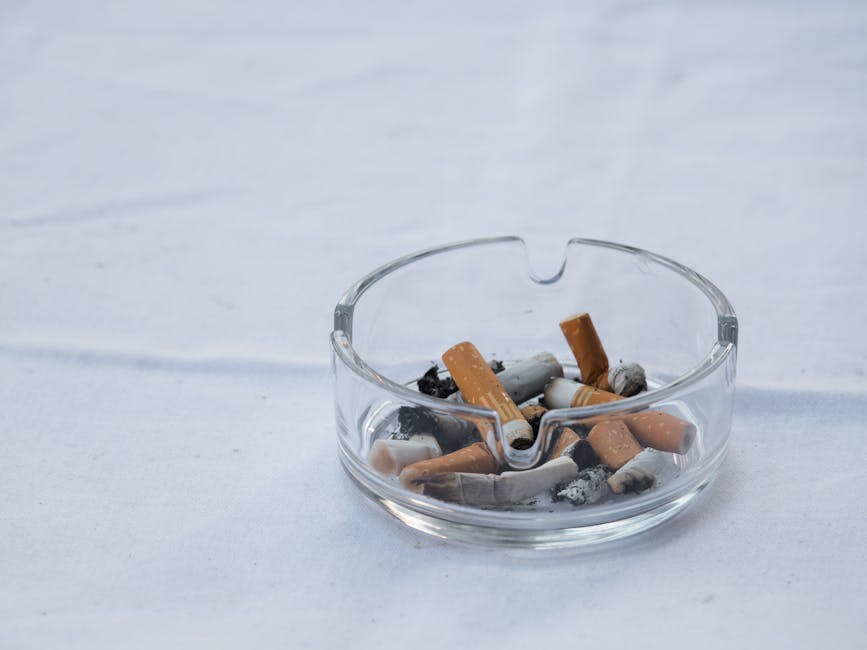
Removing Cigarette Smoke Odour from Pimlico Flats
If you have ever walked into a flat and caught that stale, ashtray-like smell hanging in the air, you will know how stubborn cigarette smoke can be. In Pimlico flats, where rooms are often compact, ventilation can be limited and soft furnishings do a lot of the absorbing, that odour can settle in faster than people expect. Removing Cigarette Smoke Odour from Pimlico Flats is not just a matter of masking the smell for a day or two; it means dealing with the source, the residue, and the hidden places where smoke clings on.
This guide breaks down what actually works, what tends to fail, and how to approach the job in a sensible order. Whether you are preparing a rental property, trying to refresh a home after a long smoking habit, or getting a flat ready for sale, the aim is the same: make the space feel clean again, not just smell briefly less bad.
Table of Contents
- Why Removing Cigarette Smoke Odour from Pimlico Flats Matters
- How Removing Cigarette Smoke Odour from Pimlico Flats Works
- Key Benefits and Practical Advantages
- Who This Is For and When It Makes Sense
- Step-by-Step Guidance
- Expert Tips for Better Results
- Common Mistakes to Avoid
- Tools, Resources and Recommendations
- Law, Compliance, Standards, or Best Practice
- Options, Methods, or Comparison Table
- Case Study or Real-World Example
- Practical Checklist
- Conclusion
- Frequently Asked Questions
Why Removing Cigarette Smoke Odour from Pimlico Flats Matters
Cigarette smoke odour is more than an unpleasant smell. It is a mix of airborne particles, tar, and residue that sticks to paintwork, curtains, carpets, upholstery, soft furnishings, and even inside cupboards. In a Pimlico flat, where space is often tight and air can circulate unevenly, the smell tends to settle into the property's fabric. That is why a quick spray or open window usually falls short.
For landlords, agents, and private owners, the odour can affect viewings, tenant satisfaction, and the overall impression of cleanliness. For residents, it can make a flat feel stuffy and never quite fresh, even after a deep tidy. Let's face it, a room can be spotless and still feel wrong if the smoke smell is lingering near the sofa or in the hallway.
There is also a practical side. Smoke residue can make decoration and re-letting work harder because odours may reappear once the heating comes on or the weather changes. You clean once, then a warm afternoon brings the smell back. Annoying, yes, but very common.
For property owners who want to present a flat properly, it helps to understand the broader maintenance picture too. If you are looking at associated cleaning or turnaround services, the company's pricing and quotes page can be useful for planning, while the about us page explains more about the business background and approach.
How Removing Cigarette Smoke Odour from Pimlico Flats Works
Real odour removal works on three levels: removing loose contamination, treating absorbed residue, and improving the air quality in the room. If one of those layers is missed, the smell often returns. That is the bit people do not always realise.
1. Source removal
The first job is to remove the obvious sources: ash, cigarette ends, old bins, stained textiles, and any nicotine film on surfaces. Smoke particles are oily, so a standard quick wipe is rarely enough. A proper clean needs the right detergent action to break that film down.
2. Deep cleaning of absorbent materials
Carpets, rugs, curtains, upholstery, bedding, and even underlay can trap odour. In many Pimlico flats, the soft furnishings carry more smell than the painted walls. Cleaning these properly often makes the biggest difference. If you skip them, the room may look fine but still smell faintly stale by evening.
3. Neutralising, not just masking
Air fresheners only add another scent on top. That can be helpful for a short period, but it does not remove the smoke particles. True odour work aims to neutralise the smell at source, rather than cover it up. Subtle difference, big result.
4. Ventilation and airflow management
Opening windows helps, but in a flat it is often not enough on its own. Cross-ventilation, extractor use, and drying methods matter because stale air and moisture can keep odours hanging around. A damp flat with poor airflow will keep reminding you of the problem.
5. Follow-up checks
After cleaning, a proper follow-up matters. You test the room at different times of day, near soft furnishings, and close to windows and radiators. Sometimes smoke smell is strongest in warm areas, and sometimes it only becomes obvious after the flat has been shut for a few hours.
In practical terms, good odour removal is part cleaning, part inspection, part patience. A bit dull to say, but true.
Key Benefits and Practical Advantages
When cigarette smoke odour is removed properly, the benefits are immediate and surprisingly broad. The obvious one is freshness, but there is more to it than that.
- Better first impressions: Viewers, tenants, guests, and buyers notice smell before they notice decor.
- Improved liveability: A fresher flat simply feels calmer and more comfortable to occupy.
- Reduced complaints: Neighbours, landlords, and incoming tenants are less likely to raise issues about lingering smoke.
- More effective decorating: Freshly painted rooms stay fresher when nicotine residue has been dealt with first.
- Higher chance of successful letting or sale: Odour is one of those silent deal-breakers people rarely mention directly.
There is also a subtle psychological effect. A flat that smells clean tends to feel more spacious and cared for. In a compact Pimlico property, that matters. It can change how a room feels the moment the door opens.
If you are planning a full reset, it is worth thinking about your cleaning priorities from the start. The company's health and safety policy is also a useful sign that work should be carried out carefully, especially where ventilation, detergents, and drying times are involved.
Who This Is For and When It Makes Sense
This kind of cleaning is useful for a fairly wide group of people, not just landlords. In practice, it tends to come up in a few common situations.
Landlords and managing agents
If a tenant has smoked indoors, the flat may need more than a standard turnover clean. Even light smoking can leave enough smell to affect viewings. For end-of-tenancy preparation, smoke odour removal is often part of getting the flat back into rentable condition.
Private homeowners
Some people have smoked for years in the same home and only notice the smell when they stop, or when they come back after a few days away. That "oh, so that's what it smells like" moment is not unusual, frankly.
New buyers and sellers
Buyers often focus on obvious features like kitchen fittings or carpet condition, but odour sits in the background and influences how they feel about the property. Sellers sometimes only discover it after staging the flat for photographs. Then the curtains are drawn, the windows are shut, and the smell becomes more obvious. Typical.
Tenants moving into a newly vacated flat
Incoming tenants do not want to inherit old smoke smell from a previous occupant. This is especially sensitive in smaller London flats where there is nowhere for the odour to hide except everywhere.
Anyone dealing with a strong, old smell
Older smoke smells are harder to remove because they have had time to bond with surfaces. If the flat was smoked in heavily, or for years, a surface-only clean may not be enough. At that point, a more structured approach makes sense.
Step-by-Step Guidance
A sensible process will always work better than random cleaning in whichever order you feel like that day. Here is a practical route that gives the best chance of success.
- Remove all loose contamination. Empty ashtrays, dispose of cigarette ends properly, clear rubbish, and remove any items that hold a strong smell.
- Air the flat thoroughly. Open windows where possible, run extractor fans, and create a proper flow of air. Do not just crack a window an inch and hope for the best.
- Clean hard surfaces. Wipe walls, skirting boards, doors, bannisters, switches, radiators, shelving, and window frames. Use a suitable cleaner that can cut through nicotine film.
- Treat fabrics and upholstery. Curtains, sofas, mattresses, rugs, and carpets often need dedicated cleaning. A general vacuum helps, but it does not solve the problem alone.
- Address carpets and underlay. If the smell is embedded, carpet cleaning can make a substantial difference. In some cases, underlay may be a hidden source.
- Wash or replace soft items. Cushion covers, throws, bedding, and washable curtains should be laundered. Some materials may need replacement if the smell is deeply trapped.
- Inspect cupboards and enclosed areas. Smoke smell loves small closed spaces. Wardrobes, kitchen cupboards, and utility cupboards are easy to miss.
- Let everything dry fully. Damp textiles can hold smell longer. Drying is not a minor detail. It is part of the job.
- Recheck after a few hours. Smell the flat again when it has been closed up. If the odour remains, identify the stubborn source rather than repeating the same clean blindly.
One good practical rule: start from the top and work down, then from the hard surfaces into the soft furnishings. That keeps residue from being moved back onto already cleaned areas.
If you need the work to slot into a wider property handover or cleaning plan, you may also want to review the company's terms and conditions and payment and security information before booking. It saves back-and-forth later.
Expert Tips for Better Results
These are the little details that make a noticeable difference. Not glamorous, but genuinely useful.
Focus on the warmest areas
Smoke odour often becomes more obvious around radiators, sunlit windows, and heated rooms. Why? Warmth can release trapped odour from fabrics and surfaces. If you are checking progress, test those areas first.
Do not forget the walls
People assume smoke smell lives only in carpets. It does not. Painted walls, ceilings near lights, and the tops of doorframes can all carry residue. In older flats, textured paint and porous finishes can be especially stubborn.
Clean before you deodorise
Deodorisers, candles, and plug-ins are best left until after cleaning. Otherwise, you are just layering scent on top of contamination. It can smell weirdly sweet for a while, then back comes the smoke. Not ideal.
Use the right drying conditions
Ventilation and drying time matter more than many people expect. A flat can smell cleaner immediately after treatment, then still seem stale if fabrics remain damp. A warm, moving-air environment usually helps.
Be realistic about old smoke damage
If the smell has been present for years, you may need a staged approach rather than one visit. Sometimes the flat improves a lot after the first clean, then needs a second pass on stubborn areas. That is normal, not a failure.
Pay attention to bins and hidden items
Old newspapers, bagged textiles, used filters, and forgotten cupboards can be a nasty little trap. People are often surprised by how much smell disappears once those are dealt with. A tiny thing, but it adds up.
Common Mistakes to Avoid
A lot of smoke odour jobs go wrong because the clean was too shallow, too fast, or too scent-heavy. Here are the mistakes that tend to cause trouble.
- Using fragrance to cover the smell: This only postpones the problem.
- Cleaning visible surfaces only: Smoke residue often lives where you do not immediately look.
- Ignoring fabrics: Carpets and upholstery are usually major odour holders.
- Forgetting cupboards and closets: Closed spaces can keep the smell alive.
- Skipping drying time: Damp air can make odours linger longer.
- Painting over residue too soon: If smoke film is still present, the smell may bleed back through.
- Assuming one product will fix everything: There is no magic spray, despite what the packaging might suggest.
Another common one: cleaning in the wrong order and recontaminating the room as you go. That is frustrating, and yes, people do it all the time. The good news is it is avoidable.
Tools, Resources and Recommendations
You do not need a giant toolbox, but the right basics make the work much easier. For most flats, the following are useful starting points.
- Microfibre cloths: Good for lifting residue without just spreading it around.
- Suitable degreasing cleaner: Useful for nicotine film on hard surfaces.
- Vacuum cleaner with good filtration: Helpful for carpets, soft furnishings, and dust that carries odour.
- Steam or hot-water extraction cleaning: Often used for carpets and upholstery when smell has settled in.
- Laundry treatments for washable textiles: Helpful for curtains, covers, and bedding.
- Fans and airflow aids: Simple but effective during drying.
- Protective gloves and ventilation precautions: Sensible when dealing with heavy residue.
For customers comparing service providers or planning work around moving dates, the company's contact page is the natural next step, while insurance and safety gives extra reassurance about responsible working practices. If you care about lower-waste approaches, the recycling and sustainability page may also be worth a look.
Law, Compliance, Standards, or Best Practice
In a domestic flat, cigarette smoke odour removal is not usually about one single legal rule. It is more about safe working, proper property care, and common-sense standards that landlords, agents, and contractors are expected to follow.
For rental properties, the practical expectation is that the flat is left in a condition that is reasonably clean, safe, and suitable for occupation, depending on the tenancy terms and the property's condition at handover. If smoking has caused damage or heavy contamination, it may affect deposits, dilapidation discussions, or redecoration plans. Those details depend on the tenancy agreement and the condition of the property, so careful record-keeping helps.
From a cleaning and contractor perspective, safe use of products, adequate ventilation, and attention to drying times are all part of good practice. This matters in a compact London flat where airflow can be limited and residents may still be nearby. A professional team should also be clear about what is included, what is not, and how long the work is likely to take.
If you are booking a service, it is wise to check the provider's complaints procedure and privacy policy as part of normal due diligence. Boring? A bit. Useful? Definitely.
Options, Methods, or Comparison Table
Not every smoke odour job needs the same level of treatment. The right method depends on how long the smell has been there, how heavily the flat was used, and how much soft furnishing is involved.
| Method | Best for | Strengths | Limitations |
|---|---|---|---|
| Air freshening and ventilation only | Very light, recent odour | Quick, low effort | Usually temporary and incomplete |
| Surface cleaning | Visible nicotine film on walls, doors, and hard fittings | Removes residue from key touchpoints | Won't fully treat fabrics or hidden sources |
| Carpet and upholstery cleaning | Odour trapped in soft furnishings | Often makes a major difference in flats | May need drying time and follow-up |
| Deep property odour treatment | Heavier or long-term smoke contamination | Addresses multiple layers at once | More time, more coordination, sometimes more cost |
As a rule of thumb, the stronger and older the smell, the more you need a layered method. If the smell has been in the flat for years, a one-product fix is probably wishful thinking. Nice idea, though.
Case Study or Real-World Example
Here is a realistic example from the sort of flat many people deal with in Pimlico. A one-bedroom flat had been occupied by a long-term smoker. The place was tidy enough on the surface, but the smell was obvious when the windows were shut. The landlord noticed it most strongly in the living room and hallway, especially near the radiator and inside the wardrobe.
The first step was a full clear-out of ashtrays, old consumables, and a few forgotten bags of textiles. Then came a careful surface clean on doors, skirting boards, and walls around the main seating area. After that, carpets and upholstered items were treated, and washable curtains were laundered separately.
The result was not instant perfection. That is worth saying. After the first clean, the flat smelled much better, but there was still a faint trace when the place had been closed up overnight. A second pass on the wardrobe interior and the carpet edges solved most of that. By the end, the flat smelled clean rather than perfumed, which is exactly what you want. Not "lemon and smoke", just clean.
The important part was that the process matched the problem instead of rushing to hide it. That saved time in the end, because no one had to keep revisiting the same rooms with stronger and stronger fragrances.
Practical Checklist
Use this checklist before, during, or after the cleaning process.
- Remove ashtrays, cigarette ends, and smoking-related waste
- Open windows and improve airflow where possible
- Clean hard surfaces, including doors, frames, switches, and skirting boards
- Treat carpets, rugs, sofas, and curtains
- Wash all washable fabrics and covers
- Check cupboards, wardrobes, and utility spaces
- Allow full drying time before judging results
- Recheck the flat after it has been closed up for a few hours
- Identify any remaining source of odour rather than guessing
- Document what was cleaned if the property is being handed over
Quick takeaway: if the smell is still there after the visible cleaning is done, the remaining source is usually somewhere absorbent or hidden. That is the clue, not the problem.
Conclusion
Removing Cigarette Smoke Odour from Pimlico Flats is really about restoring comfort, presentation, and confidence in the space. When it is done properly, the difference can be dramatic. The flat feels fresher, people stay longer in viewings, and the whole property gives off a better impression without trying too hard.
The key is to treat the smell as a cleaning and restoration issue, not just an air-freshener issue. Deal with the residue, the fabrics, the hidden spaces, and the airflow. Then give the flat enough time to dry and settle before making a final judgement. That patience matters more than people expect.
If you are weighing up your next step, whether that is a one-off clean or a more complete refresh, it helps to speak to a team that understands the realities of London flats and their awkward little corners. For planning, bookings, and support, you can use the site's main service pages, policies, and contact information to move forward with confidence.
Get a free quote today and see how much you can save.
Sometimes a flat just needs a proper reset. And once the smell is gone, the place feels like it can breathe again.
Frequently Asked Questions
How do you remove cigarette smoke smell from a flat?
You need to clean the residue, treat soft furnishings, improve airflow, and deal with any hidden sources such as cupboards or carpets. Masking the smell is not enough.
Why does cigarette smoke odour linger so long in flats?
Smoke particles stick to porous and soft materials, then continue to release odour over time. In smaller flats, the smell can feel more concentrated because there is less air volume.
Can cleaning carpets remove smoke smell completely?
It can remove a lot of it, especially if the carpet is a major source. But if walls, curtains, upholstery, or underlay are also affected, they may need treatment too.
Will repainting fix cigarette smoke odour?
Not by itself. If nicotine residue is still present, the smell can come back through paint. Surfaces usually need proper cleaning before any decorating work.
How long does smoke odour removal take?
That depends on how heavy the contamination is. A light, recent smell may be dealt with quickly, while a long-term issue can need a more thorough, staged approach.
Is it worth treating curtains and upholstery?
Yes, absolutely. These items often hold a surprising amount of smell, and leaving them untreated can undo the rest of the work.
Can I just use air freshener or candles?
You can, but only as a temporary finishing touch. They do not remove the source, so the odour usually returns once the scent fades.
What areas are most often missed during smoke cleaning?
People often miss cupboard interiors, wardrobe shelves, door frames, radiators, skirting boards, and the edges of carpets. Those places matter more than they look.
Do landlords usually need to deal with smoke smell before re-letting?
In practice, yes, because odour strongly affects the condition and presentation of a flat. It is often part of getting the property ready for new tenants.
How can I tell if the smell is gone for good?
Close the flat up for a few hours, then return and check it in different rooms, especially warm areas and near soft furnishings. If there is still a trace, there is likely a hidden source.
What should I do if the smoke smell comes back after cleaning?
That usually means one area was missed or not treated deeply enough. Recheck carpets, upholstery, cupboards, and any item that may still be holding residue.
Where can I find more information about booking, safety, or policies?
You can review the relevant service and policy pages, including pricing and quotes, insurance and safety, and terms and conditions for a clearer picture of how the service is handled.