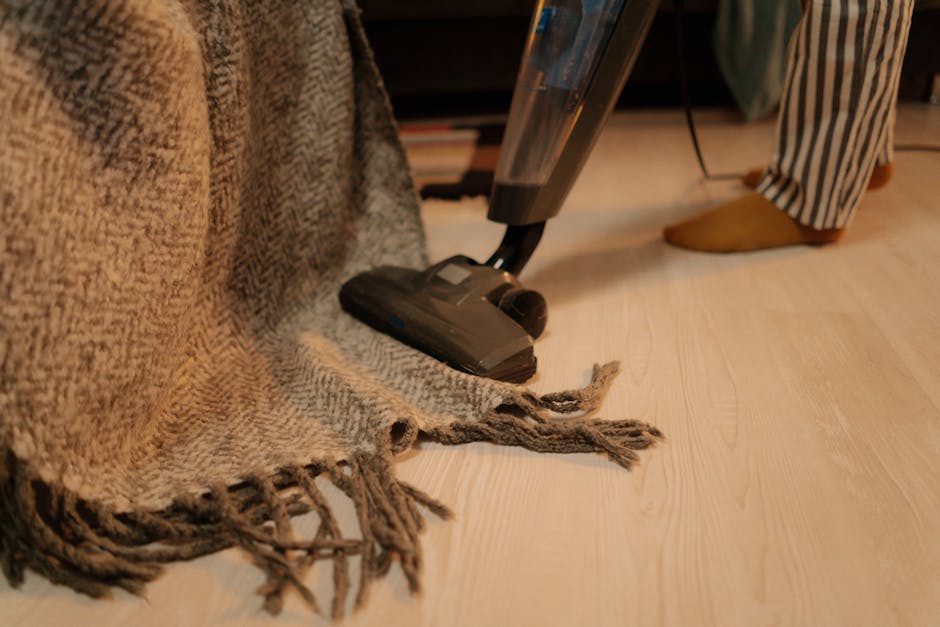
Pimlico Carpet Care for St George's Square Apartments
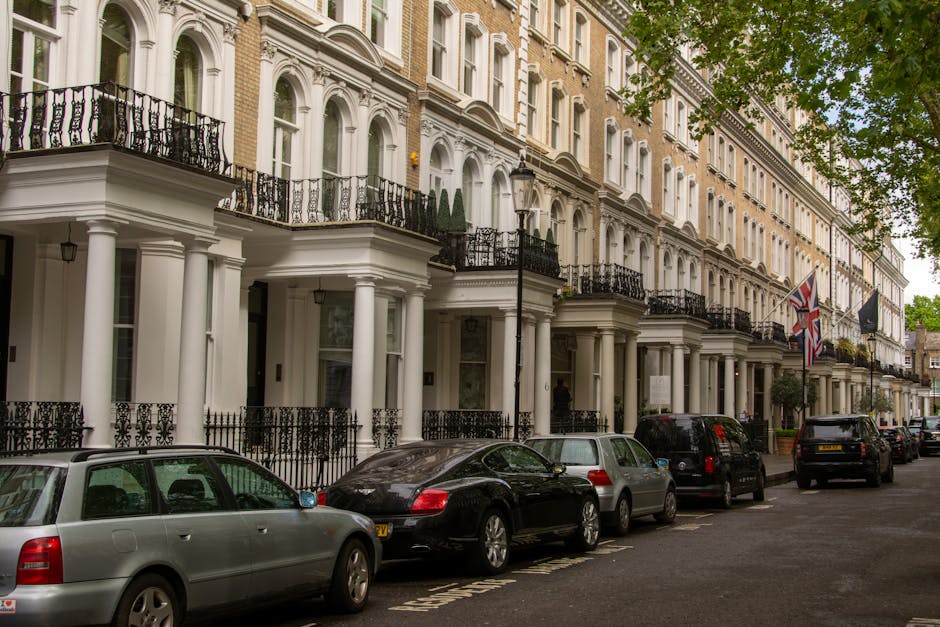
If you live in St George's Square Apartments, you already know the floor beneath your feet takes a beating in a very ordinary, very London way. Shoes bring in grit. Rain leaves damp marks. Hallways see constant traffic. And in a shared building, one stained landing carpet can somehow make the whole place feel a bit tired. That is where Pimlico Carpet Care for St George's Square Apartments becomes genuinely useful: not as a luxury, but as a practical way to keep interiors cleaner, fresher, and better looked after.
This guide breaks down what good carpet care actually involves in a Pimlico apartment setting, why it matters for residents and property managers, how the process usually works, and what to watch for before booking. You will also find a simple checklist, comparison table, compliance notes, and a few real-world pointers that make the difference between a quick tidy-up and a result you can actually live with. Let's face it, carpets can look fine from across the room and still be hiding a small world of dust, allergens, and old coffee.
Why Pimlico Carpet Care for St George's Square Apartments Matters
Apartment carpets in central London face a different kind of wear compared with a family house or a suburban flat. Shared entrances, narrow stairwells, lift lobbies, and repeated footfall all add up. In St George's Square Apartments, carpets are often part of the first impression, and first impressions are annoyingly hard to fix once the fibres have flattened and the marks have settled in.
Good carpet care matters for a few practical reasons. First, it helps protect the look of the property. Clean carpets make rooms feel lighter, tidier, and more cared for. Second, it supports hygiene. Dust, fine grit, pollen, pet dander, and everyday debris sit deeper in carpet than many people realise. Third, regular care can extend the life of the flooring, which matters in apartments where replacement can be disruptive and expensive. Nobody wants to be moving furniture around a hallway for no reason. Not fun.
There is also a comfort factor. A carpet that has been properly cleaned can feel softer underfoot and smell fresher, which sounds small until you come home after a wet commute and notice the room no longer has that damp, stale edge. In shared buildings, this really adds up.
Expert summary: for St George's Square Apartments, carpet care is less about occasional deep cleaning and more about routine maintenance that keeps communal and private spaces presentable, hygienic, and easier to manage over time.
How Pimlico Carpet Care for St George's Square Apartments Works
Professional carpet care is usually a process rather than a single clean. The exact method depends on fibre type, pile depth, stain history, and how much moisture the carpet can tolerate. In a Pimlico apartment setting, that judgement matters, because many buildings have a mix of older materials, newer fitted carpets, and sensitive areas around skirting boards, thresholds, or built-in furniture.
The process often begins with inspection. A cleaner checks the condition of the carpet, identifies stains, tests fibre response where needed, and decides whether steam carpet cleaning, hot water extraction, low-moisture cleaning, or targeted stain removal is the best fit. This is the bit where experience counts. The wrong approach can over-wet the pile, leave residues behind, or push a stain deeper.
After that comes preparation. Loose debris is removed, high-traffic areas are pre-treated, and problem spots are marked for separate treatment. Then the cleaning itself begins. Depending on the chosen method, that may involve agitation, controlled moisture, eco-conscious detergents, and careful extraction. Drying then becomes a real consideration, especially in apartments where window access, airflow, and resident schedules all play a role.
For shared spaces, the workflow also needs to be calm and orderly. Residents do not want a wet corridor at 8 a.m. or a machine blocking access while someone is trying to leave for work. Good providers plan around building use and communicate clearly. That sounds basic, but in practice it saves a lot of grumbling.
If carpets are heavily marked by spills, pets, or furniture indentation, a combined approach may be needed. A service such as targeted stain removal can be used alongside a broader clean, and for odour issues, especially in homes with animals, pet stain and odour removal is often the sensible route rather than hoping a general clean will sort everything out.
Key Benefits and Practical Advantages
There is a tendency to think of carpet cleaning as cosmetic. Sometimes it is. But in apartment buildings, the practical advantages are just as important as the visual ones.
- Improved appearance: fresh carpets lift the whole feel of a flat or communal corridor, especially where natural light is limited.
- Better indoor freshness: regular cleaning helps reduce lingering odours from shoes, cooking spillovers, pets, and damp weather.
- Longer carpet life: removing abrasive dirt can reduce fibre wear, which helps carpets keep their texture for longer.
- More comfortable living spaces: a cleaner carpet tends to feel softer and look less tired, which makes the apartment feel better lived in.
- Stronger landlord or block presentation: useful for viewings, inspections, deposit end checks, or general resident satisfaction.
- Reduced build-up of grime: routine maintenance is simpler than trying to rescue a heavily neglected carpet later.
There is a subtler benefit too: a cleaned carpet changes how people use a space. When a hallway or reception area looks cared for, residents are often a bit more mindful about footwear, spills, and day-to-day tidiness. Strange but true. People respond to the standard they can see.
For properties with mixed soft furnishings, it can also make sense to coordinate services. A carpet clean alongside upholstery cleaning or rug cleaning gives a more consistent finish across the apartment, especially if the same dust or staining issues affect multiple surfaces.
Who This Is For and When It Makes Sense
Pimlico Carpet Care for St George's Square Apartments is relevant to more people than you might think. It is not just for landlords preparing a property for new tenants, and it is not only for residents with visible stains. In practice, a lot of people benefit from it at different times for different reasons.
Private residents may need carpet care after a spill, at the end of winter, before guests arrive, or simply because the carpet has started to look flat and dull. If you live with pets, children, or lots of outdoor traffic, the timing tends to come around sooner than expected.
Landlords and managing agents often use carpet cleaning between tenancies, after works, or as part of a periodic upkeep plan. In a building like St George's Square Apartments, presentation matters because it affects perceived value as much as actual condition.
Leaseholders and block managers may need cleaning for communal halls, stair runners, or shared access areas where dirt accumulates quickly. These areas usually need a schedule rather than a one-off emergency clean.
Short-let hosts and furnished apartment owners also benefit. A guest may not notice every detail, but they will absolutely notice if a carpet smells damp or looks patchy in daylight.
When does it make sense? Usually when you can see a change in appearance, smell something stale, notice high-traffic lanes forming, or simply want to get ahead of a bigger maintenance issue. If you are hesitating, ask yourself a simple question: is this a stain problem, or a carpet-care problem? The answer changes the solution.
Step-by-Step Guidance
Here is a straightforward way to think about the process, whether you are booking a professional service or just trying to understand what good practice looks like.
- Assess the carpet condition. Look for traffic lanes, spots, matting, pet marks, old spills, and odour. Note where sunlight has faded the pile, because that can affect expectations.
- Check the fibre and finish. Wool, blended fibres, and synthetic carpets all behave differently. A method that works well on one may be too wet or too aggressive for another.
- Identify access and building constraints. Think about lifts, parking, entry codes, neighbour access, drying space, and whether furniture needs moving. In apartments, logistics are half the job.
- Choose the right method. Deep cleaning, steam carpet cleaning, low-moisture treatment, or stain-specific work should match the carpet, not the other way round.
- Prepare the room. Clear small items, vacuum thoroughly, and communicate about sensitive furniture or delicate areas.
- Treat stains and heavy-traffic areas. This often means pre-treatment before the main clean. Old marks may need more than one pass. No drama, just reality.
- Clean with controlled moisture. Too much water can slow drying and cause problems. Good technique matters more than brute force.
- Allow proper drying time. Ventilation, airflow, and room temperature all affect this. Keep foot traffic light until the fibres are ready.
- Review the results. Check corners, edges, and shaded areas where dirt often hides. If a stain remains, ask whether it needs a follow-up treatment rather than trying to scrub it harder yourself.
A small but important point: if a carpet has been badly soiled for a long time, the goal may be improvement rather than perfection. That is not a failure; it is just a realistic outcome. Better to be honest about it up front.
Expert Tips for Better Results
In our experience, the best carpet-care results come from small decisions made before the machine ever starts.
Use vacuuming as prevention, not just cleanup. Regular vacuuming removes grit before it grinds into the fibres. In a busy apartment, that makes a huge difference. It sounds obvious, but the obvious things are usually the ones people skip.
Treat stains quickly, but carefully. Blot rather than rub. Rubbing spreads the mess and can fuzz the pile. If you can, work from the outside of the stain inward. That little habit saves a lot of trouble.
Be cautious with DIY products. A bottle from under the sink may seem handy, but harsh products can set stains, leave sticky residue, or discolour the carpet. Worse, they can make a professional clean harder later.
Think about the building rhythm. In St George's Square Apartments, the best time for cleaning may be mid-morning or early afternoon, when residents are out and drying time is easier to manage. That small scheduling detail can transform the experience.
Ask about drying expectations. You want a cleaner who can explain how long the carpet will likely stay damp and what ventilation helps. If the answer is vague, that is a bit of a warning sign.
Match the method to the setting. For example, some hallways need a stronger extraction clean, while a more delicate flat carpet may be better served by low-moisture treatment. One size does not fit all, despite what marketing language sometimes suggests.
If you are maintaining a full apartment, it can be helpful to pair a carpet clean with curtain cleaning or mattress cleaning when dust, allergens, or general freshness are part of the wider problem. The result feels more complete, and honestly, a cleaner room just behaves better.
Common Mistakes to Avoid
Most carpet problems in apartments are not caused by one dramatic mistake. They are caused by a few small ones repeated over time. That is the annoying truth of it.
- Using too much water: over-wetting can lead to slow drying, lingering smell, and in some cases re-soiling.
- Scrubbing stains aggressively: this can damage fibres and make the mark spread.
- Ignoring the edges: corners and skirting lines collect dust and can make a clean carpet still look tired.
- Choosing the wrong cleaning method: some carpets need more care than brute-force extraction.
- Leaving it too long: old stains become harder to remove and traffic lanes become more noticeable.
- Forgetting about ventilation: a closed apartment can trap moisture longer than expected.
- Not checking access beforehand: if the cleaner cannot park, enter, or move equipment efficiently, the whole job becomes less smooth.
One more thing that often gets missed: carpets in apartments can look clean in artificial light and dirty in daylight. If possible, inspect near a window or during brighter hours. You may notice more than you expected. Slightly inconvenient, yes, but useful.
Tools, Resources and Recommendations
If you are managing carpet care yourself between professional visits, a few simple tools help maintain results without overcomplicating things.
- Vacuum cleaner with a healthy filter: especially useful for fine dust and allergens in everyday apartment living.
- Microfibre cloths: good for blotting small spills before they settle.
- Plain white towels: useful for absorbing moisture without transferring dye.
- Soft brush or carpet rake: can help lift pile gently after cleaning.
- Door mats: a very unglamorous but effective line of defence against grit entering the property.
- Protective furniture pads: helpful for preventing pressure marks and friction on fibres.
When choosing a professional service, look for clear explanations rather than vague promises. A good provider should be able to discuss carpet type, treatment method, stain risks, drying expectations, and aftercare in plain English. If they cannot explain what they plan to do, that is not ideal.
It may also help to review the company's general policies around trust and service quality. For example, the pages on about us, insurance and safety, and payment and security can be useful when you want to understand how the business works before booking. That kind of reassurance matters, especially for residents arranging access to a home or communal space.
Law, Compliance, Standards, or Best Practice
For apartment carpet care in the UK, the key point is usually not a long list of regulations but sensible compliance, good access practice, and safe working methods. If the work is happening in a managed block, cleaners and residents should think about shared access, trip hazards, wet flooring, noise, and the protection of communal areas.
Best practice usually means that anyone entering the property is properly insured, uses suitable products for the carpet type, and takes reasonable precautions to avoid damage. In shared residential buildings, good communication matters too. Residents should know when work will happen, how long areas may be unavailable, and what drying time to expect.
There are also common-sense health and safety points. Wet carpets can be slippery. Equipment cables can create trip hazards. Cleaning products should be used in line with the manufacturer's guidance, and rooms should be ventilated properly. If you have vulnerable residents, pets, or anyone with sensitivities, it is sensible to mention that in advance so the clean can be planned properly.
Many property managers also like to see clear procedures around complaints, access, and service quality. That is where policy pages can be helpful, such as complaints procedure, terms and conditions, and health and safety policy. These do not replace good service, obviously, but they do show that the basics are being taken seriously.
If sustainability matters to you or your building, it is also fair to ask about disposal practices, chemical use, and recycling-minded operations. A page such as recycling and sustainability can give useful context when you want to understand how waste and materials are handled.
Options, Methods, or Comparison Table
Different apartment carpets need different approaches. The right method depends on soil level, fibre sensitivity, drying time, and how much disruption you can tolerate. Here is a practical comparison.
| Method | Best For | Strengths | Watch Outs |
|---|---|---|---|
| Steam carpet cleaning | Heavier soil, traffic lanes, deeper refresh | Strong cleaning power, good for embedded dirt | Needs sensible drying time and controlled moisture |
| Low-moisture cleaning | Flats with limited drying space or lighter maintenance | Quicker turnaround, less disruption | May need more frequent maintenance for deep soil |
| Targeted stain treatment | Isolated marks, spots, spills, pet accidents | Focused approach, avoids over-cleaning whole room | Not always enough on its own for overall wear |
| Combined whole-room clean | Mixed wear, odour, and visible dulling | More even finish, better for refresh cycles | Can take longer and require better scheduling |
For many St George's Square apartments, the sensible choice is a blend: a full carpet clean for the main area and targeted treatment for the stubborn spots. That tends to give the most honest result. Not every mark disappears, but the room feels much better, and that is usually the real goal.
Case Study or Real-World Example
Picture a fairly typical apartment scenario: a first-floor flat near the square, with a living room carpet that looks acceptable until the afternoon light hits it. Then the traffic lanes show up. There is also a faint coffee mark by the sofa, a slightly stale smell near the entrance, and a flattened patch where a chair has lived for too long doing very little.
The owner originally thought a quick spray-and-vacuum would be enough. Fair enough. That is what most people try first. But once the carpet was inspected properly, it became clear the issue was broader than a single stain. Grit had settled into the pile, the entrance area needed extra attention, and the old mark had already darkened.
The better approach was to vacuum thoroughly, pre-treat the traffic areas, handle the stain separately, and then clean the room using a method that balanced deep cleaning with reasonable drying time. The result was not a showroom miracle, because that would be a bit unrealistic, but the carpet looked more even, smelled fresher, and the room felt noticeably brighter. The owner later mentioned the biggest surprise was how much better the whole flat looked once the carpet stopped drawing attention to itself. That's often how it goes.
The lesson is simple: the visible stain is rarely the whole story. In apartment carpet care, the condition of the fibres, the edges, and the footfall patterns matter just as much.
Practical Checklist
Use this before booking or before cleaning day. It keeps things calmer, and calmer is better.
- Identify the carpet material if you can.
- Note any stains, smells, or wear patterns.
- Check whether furniture needs moving.
- Confirm access details, entry times, and parking constraints.
- Ask how long drying is likely to take.
- Make sure residents or neighbours know about the work if needed.
- Clear fragile items, cables, and small objects from the area.
- Vacuum thoroughly before the clean if doing prep yourself.
- Ask about stain-specific treatment if there are problem marks.
- Plan for light foot traffic until the carpet is fully dry.
- Review aftercare advice once the job is finished.
Quick reminder: if a carpet has pets, spills, or repeated traffic wear, the best result usually comes from treating the underlying issue, not just the visible symptom. That one small shift in thinking saves a lot of repeat headaches.
Get a free quote today and see how much you can save.
Conclusion
Pimlico Carpet Care for St George's Square Apartments is really about protecting comfort, appearance, and long-term value in a setting where carpets work hard every day. In a busy London apartment building, that means choosing the right method, timing the work sensibly, and paying attention to the details that make a clean last.
If you take anything away from this guide, let it be this: the best carpet care is not flashy. It is careful, consistent, and matched to the space. Do that, and even a well-used apartment carpet can look a lot more inviting. A lot. And when you walk in, close the door, and notice the room feels fresher straight away, that tells you the job has done its work.
For a final check on service confidence, practical booking details, and what to expect from the wider company, you may also want to review the pages for pricing and quotes and contact us. Sometimes the next sensible step is simply asking the right question.
And honestly, a good carpet underfoot makes a home feel more like home. That never really changes.
Frequently Asked Questions
What does Pimlico Carpet Care for St George's Square Apartments usually include?
It usually includes inspection, vacuuming or preparation, stain pre-treatment, the most suitable cleaning method for the carpet type, and drying guidance. In apartment settings, it may also include furniture handling and access planning.
How often should apartment carpets be professionally cleaned?
That depends on footfall, pets, children, and whether the carpet is in a private flat or communal area. Busy apartments may benefit from more regular cleaning than low-traffic rooms, especially in hallways and entrances.
Is steam carpet cleaning always the best option?
No. Steam carpet cleaning is effective for many carpets, but some fibres, settings, or drying constraints may make low-moisture methods a better choice. The best method depends on the carpet, not just the stain.
Can carpet cleaning remove old stains?
Sometimes, yes, but not always completely. Old stains can bond with fibres or react to previous DIY products. A professional stain treatment may improve them significantly, but perfect removal is not guaranteed.
How long does carpet drying usually take in an apartment?
Drying time varies with method, ventilation, carpet thickness, and room temperature. Apartments with limited airflow may take longer. Good guidance from the cleaner helps you plan properly.
Will carpet cleaning help with pet smells?
It often helps, especially if the odour comes from trapped residue in the carpet. For stronger pet-related issues, a dedicated pet stain and odour removal treatment is usually the better option.
Do I need to move furniture before carpet cleaning?
Small items should usually be moved, and larger furniture may need to be shifted depending on the service agreement. Always confirm this in advance, because apartment layouts and access can vary quite a bit.
Is carpet cleaning safe for wool carpets?
It can be, but wool needs careful handling. Wool carpets are more sensitive to heat, moisture, and product choice, so the cleaner should use methods suitable for delicate fibres.
What should I ask before booking a carpet cleaning service?
Ask about cleaning method, drying time, stain handling, insurance, access requirements, and aftercare. If you are in a managed apartment building, ask how they handle shared areas and resident disruption.
Can carpet cleaning help prepare a flat for new tenants or guests?
Yes, very much so. A thorough clean can make a flat feel fresher, brighter, and better maintained. It is one of those jobs that quietly improves everything around it.
Are eco-friendly carpet cleaning options available?
They often are. If sustainability matters to you, ask what products and disposal practices are used. A company's sustainability approach can be just as important as the result on the carpet.
What if the carpet still looks patchy after cleaning?
Patchiness can happen when wear is uneven, when the pile is flattened, or when some areas are more soiled than others. It is worth checking whether a follow-up treatment, grooming, or a different cleaning method would help.