Disposing Bulky Cleaning Waste in Pimlico: Steps
If you have ever finished a deep clean and stared at a pile of soaked rugs, torn-out underlay, broken mop buckets, or a sofa that has seen one too many rounds of treatment, you will know the awkward part is not the cleaning itself. It is disposing bulky cleaning waste in Pimlico properly, without creating extra mess, extra cost, or an avoidable headache. In a busy part of London, space is tight, access can be fiddly, and the wrong disposal choice can turn a tidy job into a real nuisance. This guide walks you through the practical steps, the risks, and the smartest ways to handle bulky cleaning waste so you can clear it efficiently and responsibly.
Whether you are a homeowner, landlord, tenant, or managing a commercial property, the same basic question comes up: what counts as bulky cleaning waste, and what should you do with it next? Let's face it, nobody wants wet textiles leaning in a hallway for three days. The aim here is simple: help you sort, move, and dispose of waste in a way that makes sense for Pimlico, while keeping things safe, compliant, and as low-stress as possible.
Why Disposing Bulky Cleaning Waste in Pimlico Matters
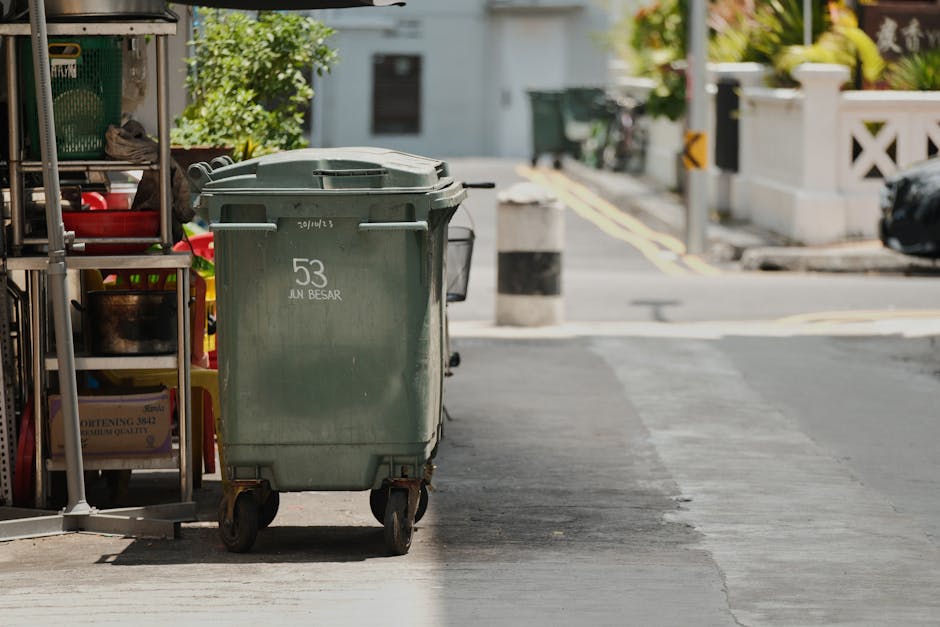
Bulky cleaning waste is not the same as a normal household bin bag. It tends to be awkward to handle, heavy when wet, and often mixed material: textiles, foam, wood, plastic fittings, metal frames, or cleaning residues. In Pimlico, where many homes are period properties, conversions, or flats with narrow stairways, poor disposal planning can lead to spillages, blocked entrances, and complaints from neighbours. Nobody needs a landlord call at 7:30 a.m. because a damp mattress has been left in the communal hallway. Not ideal.
It also matters because bulky waste can carry hygiene issues. A heavily soiled carpet or upholstery item may still hold odour, moisture, and contaminants even after cleaning. If you are dealing with pet-related waste, mould-affected items, or materials exposed to cleaning chemicals, the disposal method should be chosen carefully. If you need broader support around the treatment stage before disposal, services such as stain removal, pet stain odour removal, or upholstery cleaning can help reduce contamination before items are removed.
There is also a reputation angle. For landlords, letting agents, and businesses, how waste is handled affects the impression you leave behind. Clean-up is not really finished until the waste has been sorted and taken away properly. The last 10% is the bit people remember.
Practical takeaway: bulky cleaning waste should be treated as a planning task, not an afterthought. If you sort it early, protect access routes, and choose the right disposal method, the rest becomes much easier.
Table of Contents
- Why Disposing Bulky Cleaning Waste in Pimlico Matters
- How Disposing Bulky Cleaning Waste in Pimlico: Steps Works
- Key Benefits and Practical Advantages
- Who This Is For and When It Makes Sense
- Step-by-Step Guidance
- Expert Tips for Better Results
- Common Mistakes to Avoid
- Tools, Resources and Recommendations
- Law, Compliance, Standards and Best Practice
- Options, Methods and Comparison Table
- Case Study or Real-World Example
- Practical Checklist
- Conclusion
- Frequently Asked Questions
How Disposing Bulky Cleaning Waste in Pimlico: Steps Works
The process is usually straightforward once you break it into stages. First, identify what kind of waste you have. Then decide whether it can be reused, recycled, or must go as general bulky waste. After that, you prepare it for removal, check access and lifting requirements, and select a collection or drop-off route.
In practice, most bulky cleaning waste falls into one of these groups:
- Textile waste: carpets, rugs, curtains, mats, fabric offcuts
- Upholstery and soft furnishings: sofas, chairs, cushions, headboards
- Mattress and bedding waste: mattresses, toppers, duvets
- Cleaning-related waste: damaged buckets, vacs, hoses, packaging, empty chemical containers
- Mixed waste: items that combine fabric, wood, foam, and fittings
The important point is that "bulky" does not always mean "throw it all in one pile and hope for the best." Mixed items often need separating. A wooden frame may be reusable or recyclable, while a foam cushion and textile cover might need different handling. If you are already cleaning out a property, pairing disposal with services like carpet cleaning or steam carpet cleaning can help you work methodically: clean what can be saved, remove what cannot.
The general workflow is:
- Assess the waste and its condition.
- Separate reusable or recyclable parts.
- Bag or wrap loose, dirty, or wet materials.
- Move items safely to a staging point.
- Arrange removal or collection.
- Confirm the destination is suitable for the waste type.
That may sound simple. In a small Pimlico flat with a shared stairwell and no lift, it often feels less simple in real life. Still, the same sequence applies.
Key Benefits and Practical Advantages
Getting the disposal process right does more than clear floor space. It saves time, reduces stress, and can lower the chance of accidental damage. A well-organised waste removal routine also helps you spot what is worth salvaging. That is useful in rental properties and commercial spaces alike.
- Cleaner finish: the property looks complete, not half-finished.
- Safer movement: fewer trip hazards and fewer awkward lifts.
- Better hygiene: less lingering dirt, moisture, and odour.
- Less conflict: fewer issues with neighbours, managing agents, or building staff.
- More efficient use of space: especially important in compact Pimlico homes.
- Improved sustainability: sorting waste can support reuse and recycling where possible.
There is also a very practical side for service-based businesses. If you are cleaning on behalf of a client, a tidy waste exit shows professional care. People notice when the job is left clean. They notice even more when the hallway is left with a damp trail. That sort of thing travels fast in a building.
If sustainability is part of your decision-making, you may also find it helpful to review the company's recycling and sustainability approach alongside the disposal plan. It gives you a better sense of how waste and cleaning materials are handled responsibly.
Who This Is For and When It Makes Sense
This process is relevant to a surprisingly wide group of people. You might need it after a one-off deep clean, a move-out, or a refurbishment. You might also need it as part of a routine maintenance clean where something has been damaged beyond repair. Truth be told, bulky waste usually appears at the least convenient moment.
Typical situations
- End-of-tenancy cleans where worn carpets or mattress toppers are being removed
- Landlord clear-outs after a property has been left in a poor state
- Commercial refreshes after office furniture, rugs, or soft furnishings are replaced
- Home declutters where old items are being cleaned, sorted, and disposed of together
- After spillages, pet incidents, or water damage where materials are no longer salvageable
If you run a business or manage multiple properties, you may also need a more formal process. In those cases, alignment with operational policies, access arrangements, and contractor insurance matters. Pages such as health and safety policy and insurance and safety are worth reviewing when you are choosing who to trust with the work.
For householders, the key question is usually simpler: is this item worth repairing, or is disposal the sensible end point? If you hesitate for too long, the item often just becomes a large obstacle with feelings. Not very helpful.
Step-by-Step Guidance
Here is the practical part. If you want a clean, safe, and organised disposal process in Pimlico, follow these steps in order.
Step 1: Identify the bulky waste properly
Start by listing exactly what you have. A single "sofa" can mean a two-seater with a timber frame, a fabric footstool, loose cushions, and a metal mechanism. The more accurately you identify the waste, the easier it is to decide on disposal.
Check whether the item is:
- Dry or wet
- Damaged or structurally sound
- Single-material or mixed-material
- Likely reusable
- Contaminated by dirt, pet waste, or chemicals
Step 2: Separate what can be kept, reused, or recycled
Before you arrange removal, strip out anything that does not need to go with the main item. For example, cushions may be reusable even if the outer furniture is not. Metal legs, removable covers, and packaging can often be separated. Small effort, big difference.
Step 3: Reduce size where safely possible
If the item can be safely dismantled, do it. Cut large carpet sections into manageable strips, remove detachable feet from furniture, and fold soft materials into compact bundles. Do not force it if the item has sharp edges or hidden fixings. A rushed twist with a utility knife is a classic way to turn a simple job into a minor drama.
Step 4: Protect floors, lifts, and communal areas
In Pimlico buildings, shared entrances and stairwells are often where problems start. Use covers, sheeting, or simple wrapping to protect surfaces. Move items slowly. If the item is wet or recently cleaned, make sure it is wrapped to avoid drips, staining, and odour transfer.
Step 5: Choose the right disposal route
You generally have three broad options: reuse, recycling, or bulky waste collection. Which one fits depends on the item, its condition, and local access. If a sofa is beyond saving but its frame or fabric can be separated, that may improve the disposal outcome. If an item is heavily contaminated, disposal as general bulky waste may be the safer route.
Step 6: Arrange collection or transport
Plan how the waste will leave the property. For larger loads, professional removal is often the easiest choice, especially where parking and access are tight. If you are comparing options, a quick look at pricing and quotes can help you understand what service levels are available and what is included.
Step 7: Confirm final handover and disposal
Before the job is finished, check that everything has gone. It sounds obvious, but tiny leftover pieces have a habit of hiding under radiators or behind doors. Make sure the route is clear, the area is clean, and any remaining waste is genuinely sorted for the correct destination.
Expert Tips for Better Results
A few small habits make this whole process much smoother. In our experience, the difference between a neat disposal and a stressful one is usually planning, not brute force.
- Do the sorting before lifting. Once bulky waste is in a corridor, every decision takes longer.
- Keep cleaning waste separate from household rubbish. Mixed bags are a headache to manage.
- Use moisture control. If textiles or upholstery are damp, wrap them before moving them through the building.
- Measure doorways and stair turns. Especially in older Pimlico properties, clearances can surprise you.
- Protect your back. Two people for one awkward item is usually smarter than one person trying to be heroic.
- Document the condition if you manage properties. Photos before removal can prevent disputes later.
If the item is part of a wider clean-up, pairing it with specialist treatment can be worthwhile. For example, a heavily marked rug might be suitable for rug cleaning before you decide whether disposal is still necessary. Likewise, damaged soft furnishings can sometimes be assessed during sofa cleaning or mattress cleaning to judge whether replacement is truly needed.
One simple habit helps a lot: stage everything in the order it leaves the property. That means the first item you want out sits closest to the exit. It sounds basic. It is basic. And it works.
Common Mistakes to Avoid
Most disposal problems come from rushing or guessing. That is the honest answer. Here are the mistakes that tend to cause trouble.
- Leaving bulky items in shared spaces. This can block access and create complaints.
- Assuming wet items are harmless. Damp textiles can smell quickly and drip into carpets or lifts.
- Mixing different waste streams. It makes sorting and disposal harder.
- Forcing items through tight spaces. This can damage walls, doors, and the item itself.
- Ignoring contamination. Pet waste, mould, and chemical residue need careful handling.
- Skipping access checks. A van is useless if it cannot stop near the building safely.
Another common issue is overconfidence. People often think, "It's just one old chair." Then they discover the chair is heavier than expected, the lift is too small, and the corridor has a bannister from 1890 that absolutely will not forgive a scrape. To be fair, we have all underestimated a piece of furniture at some point.
Tools, Resources and Recommendations
You do not need a full warehouse of equipment to dispose of bulky cleaning waste properly. A few sensible tools go a long way.
Useful tools
- Heavy-duty gloves for handling rough or dirty materials
- Thick sacks or wrapping for loose components
- Utility knife or shears for safe cutting, used carefully
- Tape for sealing wrapped items
- Protective floor coverings for hallways and entry points
- Furniture sliders or a sack truck for larger loads
Practical recommendations
If the waste is tied to a deeper clean, think about the whole sequence. Clean first where possible, then remove. That is especially useful for items like rugs, curtains, or upholstered pieces that may be salvageable after treatment. If you are dealing with fabric items more generally, curtain cleaning and steam carpet cleaning are useful reference points for deciding whether to repair, refresh, or replace.
Also consider the service provider's policies, especially if you are allowing access to occupied property. It is sensible to review terms and conditions and privacy policy where relevant, particularly for jobs involving entry arrangements, photos, or instructions from agents and tenants.
Law, Compliance, Standards and Best Practice
Disposal needs to be handled in line with normal UK waste responsibilities and the building's own rules. Without getting legalistic about it, the safest approach is to assume that waste should be stored securely, moved without causing nuisance, and taken to the correct facility or collection route.
Best practice typically includes:
- Keeping waste out of common areas for longer than necessary
- Avoiding spillages and contamination during movement
- Using a suitable carrier or collection method for the waste type
- Separating recyclable or reusable materials where practical
- Checking building access, parking, and loading restrictions ahead of time
For commercial settings, additional care is sensible around health and safety, insurance, and contractor oversight. If the waste arises from business premises, it is worth aligning the disposal plan with the wider cleaning and maintenance process. In those cases, a page like commercial carpet cleaning can be a useful indicator of how larger or recurring jobs are organised professionally.
The key point is simple: do not treat bulky cleaning waste as an afterthought. Even if the item is "just rubbish" at the end of the day, how you handle it can affect safety, neighbour relations, and your overall duty of care. That matters in Pimlico, where shared access and compact streets make poor planning much more visible.
Options, Methods and Comparison Table
There is no single perfect disposal method for every bulky item. The best option depends on condition, volume, urgency, and access. Here is a practical comparison.
| Method | Best for | Strengths | Limitations |
|---|---|---|---|
| Reuse or donation-ready separation | Items still in decent condition | Most sustainable option, reduces waste | Not suitable for contaminated or damaged items |
| Recycling-focused sorting | Mixed items with recoverable parts | Can reduce disposal load and support sustainability | Requires time and careful separation |
| Bulky waste collection | Large items that need taking away quickly | Convenient and practical for most households | May involve waiting times or access rules |
| Professional removal with cleaning support | Properties with several items or limited access | Efficient, safer for awkward loads, less disruption | Usually the highest service-level option |
For many Pimlico properties, the professional removal route is the easiest simply because of the logistics. Narrow staircases, restricted parking, and awkward building layouts can make self-removal harder than it looks on paper. On the other hand, if you only have a small amount of waste and it is easy to separate, a simpler disposal route may be enough. There is no prize for making it more complicated than it needs to be.
Case Study or Real-World Example
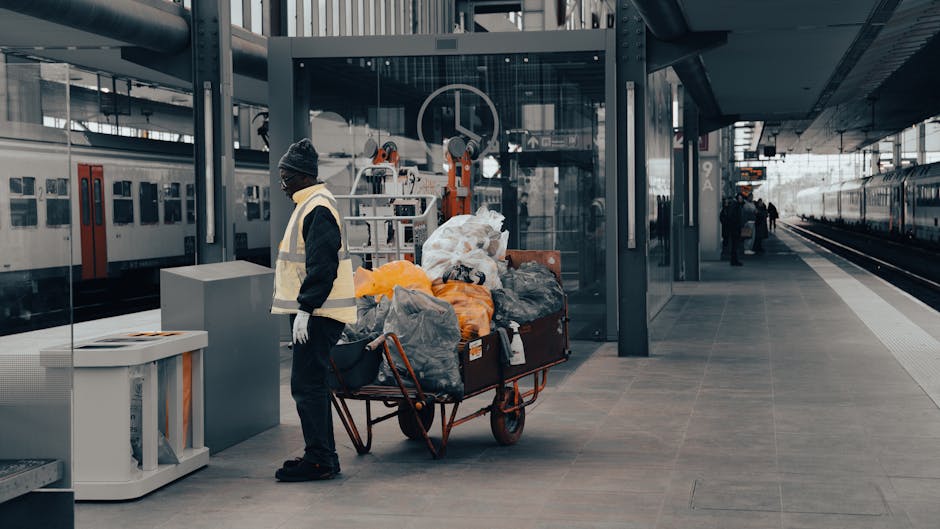
Imagine a small Pimlico flat at the end of a tenancy. The occupants have left behind a worn hallway runner, a stained armchair, and some cleaning materials: empty bottles, a damaged mop bucket, and packaging from replacement items. The hallway is narrow, the stairwell is shared, and the item collection has to happen before the next viewing.
The sensible approach is to sort everything before moving it. The runner is checked for salvageable material. The armchair is assessed for contamination and structural damage. Loose packaging is flattened and separated from the main waste. The cleaning materials are checked so that anything with residue is sealed properly. The route out of the property is protected, then the bulky items are moved one at a time instead of all at once.
What made this work was not speed. It was sequence. The team cleaned the space, confirmed what could go, and avoided dragging items through common areas twice. The result was a tidier handover and far fewer awkward questions from the building manager. A very ordinary outcome, really, but that is often the best kind.
Practical Checklist
Use this checklist before you move bulky cleaning waste out of a Pimlico property:
- Identify every item and confirm what needs disposal
- Separate reusable, recyclable, and general waste components
- Check for wet, dirty, or contaminated materials
- Wrap or bag loose pieces securely
- Measure access points, stair turns, and doorway widths
- Protect floors, walls, and shared areas
- Arrange the correct collection or removal method
- Confirm who is responsible for lifting and transport
- Make sure nothing is left in corridors, lifts, or entrances
- Review the property once everything is removed
If you are dealing with a broader clean-up, it can also help to check the condition of carpets, soft furnishings, and rugs before making final disposal decisions. That is where services such as sofa cleaning and upholstery cleaning often fit naturally into the process.
Conclusion
Disposing bulky cleaning waste in Pimlico is really about control: control of timing, access, cleanliness, and the final handover. If you sort the waste properly, protect the building, and choose the right removal route, the job becomes much less stressful. You also reduce the chances of damage, complaints, or unnecessary waste going to the wrong place.
The simplest rule is this: clean what can be saved, separate what can be recycled, and remove the rest in a way that fits the property and the waste type. That approach works for homes, rentals, and commercial spaces alike. And honestly, it tends to save more time than the "we'll deal with it later" method, which rarely ages well.
Get a free quote today and see how much you can save.
When the last bulky item is gone and the room feels clear again, the whole place just breathes a bit easier. That is the real win.
Frequently Asked Questions
What counts as bulky cleaning waste?
Bulky cleaning waste usually includes large or awkward items produced during cleaning or clearance, such as carpets, rugs, curtains, sofas, mattresses, cushions, buckets, and mixed-material refuse from a deep clean.
Can I put bulky cleaning waste in normal household bins?
Usually no. Most bulky items are too large, too heavy, or unsuitable for standard bins. They generally need separate handling, collection, or a suitable disposal route.
Should I clean an item before I dispose of it?
If the item is still potentially reusable or needs to be moved through shared areas, cleaning it first can reduce odour, staining, and contamination. If it is heavily damaged or unsafe, disposal may be the better option.
What should I do with wet carpets or upholstery?
Wrap them securely, avoid dripping through the property, and move them carefully. Wet materials can become heavier and smell quickly, so they should not be left sitting around for long.
Is it better to recycle or dispose of bulky waste?
Recycle where practical, but only if the item can be safely separated and accepted for recycling. If the material is contaminated or mixed in a way that makes recycling unrealistic, proper disposal is usually the safer choice.
Do I need professional help for bulky waste in Pimlico?
Not always, but it can be very useful if the item is heavy, the access is tight, or you are dealing with several items at once. In Pimlico, the building layout alone can make professional removal worth considering.
How do I avoid damaging walls and floors during removal?
Protect the route, measure tight turns, use two people for awkward items, and wrap sharp or dirty edges. Taking your time is often the best protection, even if it feels slower at first.
What if the waste contains chemicals or cleaning residues?
Keep those materials separate and sealed. Do not mix them with textiles or general waste unless you are sure it is safe to do so. If in doubt, handle them cautiously and follow normal product disposal guidance.
Can landlords use the same process for end-of-tenancy clear-outs?
Yes, although landlords and agents usually benefit from a more structured approach: record what is removed, protect common parts, and make sure the final disposal route is appropriate for each item.
How long should bulky cleaning waste stay on-site?
Ideally, not long at all. The less time it spends in hallways, entrances, or occupied rooms, the lower the risk of smells, complaints, and accidental damage.
What if I am not sure whether an item should be cleaned or discarded?
Look at the item's condition, contamination, and practical value. If it can be safely restored, cleaning may be sensible. If it is structurally damaged, badly contaminated, or no longer useful, disposal may be the better call.
Where can I find more information about booking or service expectations?
It can help to review about us for company background and check the relevant policy pages if you need clarity on service terms, safety, or payment arrangements.