Cleaning permits, parking and access in Pimlico SW1
If you are arranging a cleaning visit in Pimlico, the job is rarely just about the cleaning itself. In this part of SW1, the real challenge is often getting a vehicle close enough, finding somewhere legal to stop, and making sure the cleaner can get into the building without a last-minute scramble. That is why cleaning permits, parking and access in Pimlico SW1 matter so much. A smooth appointment usually depends on the small logistics you sort out before anyone arrives, not on the mop, machine, or stain treatment. To be fair, it can feel a bit fussy at first. But once the access plan is right, everything becomes calmer.
This guide explains how parking, permits, loading, keys, lifts, and entry arrangements typically work in Pimlico SW1, what can go wrong, and how to prepare properly. It is written for homeowners, tenants, landlords, facilities teams, and anyone booking a cleaning company who wants the visit to run on time and without avoidable stress.
Table of Contents
- Why Cleaning permits, parking and access in Pimlico SW1 Matters
- How Cleaning permits, parking and access in Pimlico SW1 Works
- Key Benefits and Practical Advantages
- Who This Is For and When It Makes Sense
- Step-by-Step Guidance
- Expert Tips for Better Results
- Common Mistakes to Avoid
- Tools, Resources and Recommendations
- Law, Compliance, Standards, or Best Practice
- Options, Methods, or Comparison Table
- Case Study or Real-World Example
- Practical Checklist
- Conclusion
- Frequently Asked Questions
Why Cleaning permits, parking and access in Pimlico SW1 Matters
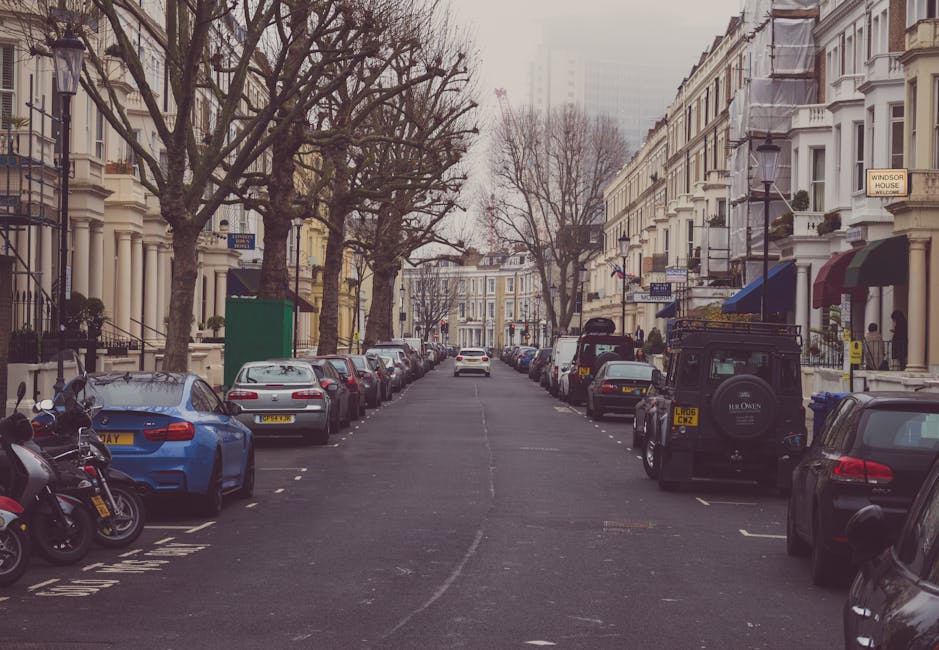
Pimlico is central, busy, and not especially forgiving when it comes to vehicle access. Streets can be narrow, parking bays can be limited, and timings matter more than people expect. If a cleaner cannot park near the property, or has to double back from a distant loading point, the entire appointment can start late. In some cases, the cleaner may need extra time to carry equipment, protect flooring, and set up safely.
That affects more than punctuality. It can affect cost, efficiency, and even the quality of the result. A carpet clean, for example, might need a machine, hoses, clean water, waste-water handling, and drying considerations. If access is awkward, the team spends more energy on moving gear than on the actual work. Nobody enjoys that, least of all the person waiting at home with wet floors and a school run in half an hour.
Good planning also matters for commercial settings. Offices, managed buildings, rental properties, and hospitality spaces in SW1 often have their own rules for delivery bays, concierge sign-in, lift use, and permitted working hours. If those are not checked in advance, a job can be delayed before it starts. And once one thing slips, everything else tends to follow. Funny how that works.
There is also a trust angle. When a cleaning company arrives prepared for the local parking situation, building access, and any permission requirements, it shows professionalism. That tends to reassure clients, especially in larger properties where there are several moving parts.
Key takeaway: In Pimlico, access planning is not a side issue. It is part of the service quality. If you get it right, you protect time, reduce disruption, and make the cleaning itself much more straightforward.
How Cleaning permits, parking and access in Pimlico SW1 Works
The exact process depends on the property, the street, and the type of visit. Still, most cleaning jobs in Pimlico follow the same basic logic: confirm where the vehicle can stop, decide whether any permit or paid parking is needed, arrange how the team will enter the property, and make sure the cleaner can move equipment without obstruction.
In simple terms, there are four access layers:
- Vehicle access: where the cleaning van can stop, park, or unload.
- Building access: how the cleaner gets through the front door, concierge desk, or gated entry.
- Route access: whether stairs, lifts, corridors, or tight hallways affect the job.
- Work area access: how furniture, rooms, and surfaces are reached once inside.
For domestic properties, the most common issue is kerbside stopping. Sometimes a cleaner can unload quickly and move on. Other times, there may be waiting restrictions, residents' bays, meter bays, or controlled parking rules that need checking before arrival. In commercial properties, the challenge may be more about loading docks, service entrances, security checks, or time windows set by building management.
Permits are often involved in one of two ways. First, the client may already have resident or visitor arrangements in place. Second, a building manager or landlord may have an internal permit system for contractors. The cleaner may also need to plan around local parking controls and any time-limited loading rules. Since those arrangements vary, it is usually better to confirm details directly before the appointment rather than assume the usual street space will do the job. It often won't, not in Pimlico on a busy morning.
Access also affects the type of cleaning being done. A quick upholstery refresh is easier to manage than a full flat clean involving carpets, rugs, mattresses, and curtains. If you are booking multiple services, the team may need a clear path for equipment and somewhere dry to stage items while they work. For broader domestic or commercial jobs, you may find it useful to review the company's carpet cleaning service alongside its upholstery cleaning and commercial carpet cleaning options, because access requirements can differ by service type.
Key Benefits and Practical Advantages
Sorting out parking and access early creates benefits that are easy to overlook until something goes wrong. Once you have handled it once or twice, the difference is obvious.
- Less wasted time: the team arrives ready to start rather than searching for a place to stop.
- Cleaner setup: equipment can be brought in safely, which helps protect walls, floors, and furniture.
- Smoother scheduling: jobs are more likely to stay on time when parking and entry are confirmed.
- Lower disruption: neighbours, building staff, and residents are less inconvenienced.
- Better value: less logistical friction can mean a more efficient appointment overall.
- Reduced risk: fewer awkward carries and less hurried manoeuvring around vehicles or entrances.
There is a quieter advantage too: the client feels more relaxed. That matters. If you have ever watched a cleaner trying to manage a bulky machine through a narrow doorway while someone searches for a key fob, you'll know the mood of the whole appointment can dip fast. Good access planning removes that tension before it starts.
For landlords and managing agents, the benefit is consistency. The cleaner arrives expecting the same entry process each time, which helps with repeat bookings and service standards. For businesses, this can be the difference between a neat evening turnaround and a messy start to the workday.
Who This Is For and When It Makes Sense
This topic matters to more people than you might think. It is not only for large commercial jobs or complex buildings. In Pimlico SW1, access planning helps almost anyone booking a cleaning appointment.
You should pay close attention if you are:
- a homeowner or tenant in a flat with restricted street parking
- someone living in a mansion block or managed apartment building
- a landlord arranging cleaning between tenancies
- a letting agent coordinating works around check-in or check-out dates
- a facilities manager booking regular cleaning for an office or commercial unit
- a hotel, serviced apartment, or hospitality operator needing timed access
- anyone with a narrow stairwell, shared entrance, or basement property
It makes especially good sense when the appointment involves heavy or moisture-based equipment, such as deep carpet care or steam methods. Those jobs often need more setup space and more careful movement through the property. If your booking includes specialist treatments, such as steam carpet cleaning, rug cleaning, or mattress cleaning, access details become even more important because the team may need to move items around, ventilate rooms, or protect surfaces more carefully.
It also matters when time is tight. School mornings, move-out days, office reopenings, and end-of-tenancy deadlines all leave little room for parking uncertainty. If there is any chance of a clash, tell the cleaner early. Seriously, early. It saves everyone from the awkward mid-morning shuffle.
Step-by-Step Guidance
If you want the visit to run smoothly, follow a simple planning sequence. Nothing fancy, just practical housekeeping before the housekeeping.
- Confirm the exact property access. Check whether the cleaner uses the front door, side entrance, concierge desk, loading bay, or service lift.
- Review parking and stopping options. Ask whether there is resident parking, visitor parking, pay-and-display, loading-only space, or no-stopping restrictions nearby.
- Check time windows. Some buildings and streets work better at certain times of day. A morning slot might be easier than a late afternoon one, or the other way round depending on local conditions.
- Share building instructions. If there is a buzzer system, reception sign-in, gate code, key safe, or lift booking process, pass it on in advance.
- Plan for equipment movement. Think about stairs, long corridors, fragile floors, and tight turns. A small detail, but it can make a big difference.
- Prepare the work area. Clear access to the rooms, move smaller items if needed, and make sure the cleaner is not navigating around boxes, shopping bags, or laundry.
- Keep a contact number handy. If the cleaner arrives and cannot get in, quick communication helps solve the issue before the schedule slips.
If the property is commercial, ask whether the building requires proof of insurance or a health and safety check before contractors are allowed in. You can also review the company's insurance and safety information and health and safety policy to understand how professional teams usually approach site access and working conditions.
A small but useful habit: take a photo of the parking space or entrance if the arrangement is a bit unusual. That saves long explanations over the phone. Not glamorous, but very effective.
Expert Tips for Better Results
Over time, you start to notice the same patterns. A few practical habits make the biggest difference.
1) Treat parking as part of the booking, not an afterthought.
Many issues happen because the cleaning job is booked first and the parking question is left until the day before. In Pimlico, that is usually backwards.
2) Build in a margin for access delays.
Even a well-planned visit can be slowed by a locked gate, a busy lobby, or a resident using the lift. A 5-minute delay is not a crisis, but if the diary is packed, it can snowball.
3) Keep one person responsible for entry.
In shared buildings, choose a single contact who understands the plan. Too many people trying to help can accidentally make things messier.
4) Tell the cleaner about awkward details early.
Basement flats, split-level homes, heavy doors, narrow stairs, and delicate hall floors all change how a cleaner prepares. No need to over-explain. Just be clear.
5) Match the cleaning method to the access conditions.
Sometimes the best option is not the most aggressive one. For example, if ventilation, floor sensitivity, or equipment movement is limited, a lighter treatment can be more practical than a heavy-duty setup. The right method is the one that fits the building, not the other way round.
6) Use company information wisely.
If you are checking service details, pricing, payment, or policies, pages such as pricing and quotes, payment and security, and terms and conditions can help you prepare without guesswork.
And one more thing: if a job needs a special access arrangement, do not wait for the cleaner to discover it on arrival. That never ends elegantly.
Common Mistakes to Avoid
Most access problems are avoidable. The tricky part is that they often look minor right up until the appointment starts.
- Assuming there will be parking nearby. Central London can punish assumptions. Hardly a shock, but still worth saying.
- Forgetting to mention permit restrictions. If visitor permits or controlled parking arrangements are needed, say so before the day of the visit.
- Not checking building rules. Some blocks limit contractor access, use of lifts, or delivery times.
- Leaving keys, fobs, or access codes unprepared. A cleaner who cannot enter has to wait, and nobody wants that.
- Ignoring furniture movement. If the work requires clearing space, plan who will move what and when.
- Booking too tightly. A rushed appointment leaves no room for a parking delay or a security desk queue.
- Providing vague directions. "Just come to the back" is not enough in a dense part of SW1.
One surprisingly common mistake is forgetting to mention that a property is on a lower floor with no lift. On paper it sounds small. In real life, it changes how much gear can be carried and how long setup takes. A two-minute detail can become a twenty-minute problem, and that is nobody's favourite surprise.
Tools, Resources and Recommendations
You do not need a huge toolkit to manage access well, but a few simple items and habits help.
| Need | Useful approach | Why it helps |
|---|---|---|
| Parking details | Keep a written note of the street, bay type, and any time limits | Reduces confusion on the day and helps the team plan arrival |
| Building entry | Share buzzer numbers, reception instructions, or key handover notes | Makes the first few minutes much smoother |
| Access route | Walk the cleaner's likely route in your mind beforehand | Highlights awkward corners, stairs, or narrow doors |
| Permission checks | Confirm resident, visitor, or building rules before booking | Helps prevent last-minute refusals or delays |
| Job scope | List every room, item, and surface to be cleaned | Lets the cleaner bring the right equipment the first time |
For a professional service, it is worth looking at the company's broader policies too. That includes about us, recycling and sustainability, and accessibility statement if you want to understand how the business approaches service standards and user needs.
If you are comparing services for a larger property or repeated cleaning plan, sofa cleaning, curtain cleaning, and pet stain odour removal may also be relevant, particularly where access is limited and you want to bundle work efficiently.
Law, Compliance, Standards, or Best Practice
Parking and access in London are shaped by local traffic controls, private building rules, lease conditions, and common-sense site management. The exact requirements depend on the road, borough controls, and the property itself, so it is best not to assume one building's setup applies everywhere in Pimlico SW1.
From a best-practice point of view, professional cleaning work should be planned so that:
- vehicles stop legally and safely
- pedestrians and residents are not put at risk
- building rules are respected
- equipment can be moved without damaging property
- the team has clear instructions for entry and emergency contact
That approach lines up with ordinary UK expectations for safe working and responsible contractor conduct. It also reduces the chance of disputes about delays or access issues later on. If a building has specific contractor requirements, those should be followed even if the street itself looks straightforward. Private rules can be just as important as public parking restrictions.
Good practice also means being honest about limitations. If a cleaner cannot park directly outside, say so. If access requires a long carry, say so. If the property has no lift, say so. None of that is a problem on its own. The problem is silence, and silence has a way of causing a small headache to become a big one.
For peace of mind, many customers also like to understand the business side of a booking. Pages such as privacy policy, cookie policy, and complaints procedure can be useful if you want a clearer picture of how the company handles customer information and service concerns.
Options, Methods, or Comparison Table
There is no single right way to manage parking and access. The best choice depends on the property, the visit length, and how much equipment is being brought in.
| Access approach | Best for | Advantages | Watch-outs |
|---|---|---|---|
| Street parking near the property | Short domestic jobs and simple access | Fast unloading, easy supervision | Can be limited by restrictions or availability |
| Visitor or resident permit arrangement | Flat blocks, managed homes, repeat visits | Predictable and often closer to the door | Requires advance coordination |
| Loading bay or service entrance | Commercial properties, larger jobs | Designed for contractor access | May involve booking windows or security checks |
| Drop-and-return setup | Properties where stopping is difficult | Works when parking is tight | More carrying, more planning, sometimes slower |
In practice, the simplest method is not always the best. A loading bay may sound perfect until it is shared, booked out, or too far from the work area. Likewise, a nearby street bay may be ideal for a small visit but impractical for a larger clean involving several rooms. The trick is choosing the method that matches the job, not just the postcode.
Case Study or Real-World Example
Imagine a two-bedroom flat near the heart of Pimlico, booked for a deep carpet clean and a sofa refresh. The client assumes there is enough parking "somewhere nearby". On the day, the cleaner finds the immediate street full, a nearby bay with restrictions, and a security buzzer that needs a resident fob to open the main door. Nobody has done anything wrong, exactly. It is just one of those London mornings where everything is a bit tighter than expected.
After a quick call, the client confirms a visitor permit can be arranged and shares the building entry instructions in full. The cleaner parks legally, unloads once instead of twice, and starts on time. Because the equipment is close to the entrance, there is less dragging, less bumping, and less chance of damp equipment waiting awkwardly in the hallway. The job finishes in a steadier rhythm, and the drying time is easier to manage because the whole visit started properly.
Now compare that with the alternative. No parking plan, delayed arrival, rushed setup, and a client looking at the clock. Same cleaning job, different outcome. The difference is not magic. It is access.
That is why even straightforward domestic bookings benefit from a little forethought. A five-minute conversation beforehand can save half an hour of hassle later. And honestly, that is a trade most people will take.
Practical Checklist
Use this quick checklist before your cleaner arrives in Pimlico SW1.
- Have I confirmed the exact address and entrance?
- Is there legal parking or loading access nearby?
- Do I need a permit, visitor pass, or building booking?
- Have I shared buzzer codes, fob instructions, or reception details?
- Is there a lift, and if so, does it need reserving?
- Have I mentioned stairs, narrow hallways, or basement access?
- Are there any time restrictions from the building or street?
- Have I cleared enough space for equipment and cleaning access?
- Do I know who to contact if the cleaner cannot get in?
- Have I confirmed the services being carried out, such as carpets, sofas, rugs, or mattresses?
Get a free quote today and see how much you can save.
Conclusion
Cleaning permits, parking and access in Pimlico SW1 are not glamorous topics, but they make a huge difference to how well a cleaning visit goes. When the parking is legal, the entry is clear, and the route through the building is understood, the rest of the job becomes easier for everyone. The cleaner can focus on doing careful work. You get less disruption, fewer delays, and a much smoother experience.
If you are planning a domestic clean, a move-out job, or a commercial appointment, take the access conversation seriously from the start. It is one of those small things that pays off in a big way. And once it is sorted, you can relax a bit, which is no bad thing in London.
A well-planned visit always feels calmer. That is usually the whole point.
Frequently Asked Questions
Do I need a parking permit for a cleaning company in Pimlico SW1?
Not always, but you should check before the appointment. Some streets have resident or controlled parking rules, and some buildings require visitor arrangements or contractor permission. It is best to confirm the exact setup rather than assume there will be space outside.
What if there is no parking near my property?
Tell the cleaner in advance so they can plan for a longer carry, alternative unloading, or a different arrival time. A cleaner can often still complete the job, but the logistics need to be understood early.
Can a cleaner use my visitor permit or resident parking space?
Sometimes, yes, if the permit rules allow it and you have arranged it properly. The important part is checking the local or building rules first. Do not hand over a permit arrangement casually and hope for the best.
How much access information should I give before the visit?
As much as is useful: entrance instructions, buzzer numbers, gate codes, lift access, parking notes, and any restrictions. A little extra detail is usually better than too little. Keep it practical, not essays and novels.
What should I tell the cleaner about a flat or apartment block?
Tell them about the entrance, floor level, lift availability, any concierge or reception procedure, and whether parking is on-street or controlled. Shared buildings often have small rules that affect timing more than people expect.
Does access affect the price of cleaning?
It can, depending on the company and how complex the visit is. A property with difficult access, long carries, or extra setup time may need a different quote than a straightforward one. If you want clarity, ask for pricing in advance.
What happens if the cleaner cannot get into the building?
They may need to wait, reschedule, or contact you for an alternative entry method. This is why it is wise to keep your phone nearby and make sure access instructions are correct before the booking starts.
Are commercial properties in Pimlico SW1 different from homes?
Usually, yes. Commercial jobs may involve loading bays, security sign-in, restricted hours, or site-specific health and safety procedures. The work itself may be similar, but the access planning is often more detailed.
Should I clear furniture before the cleaner arrives?
If the cleaner has told you that certain items need to be moved, then yes, it helps to clear the area in advance. If you are unsure, ask what they expect you to do and what they will handle on the day.
Is it better to book cleaning for a quieter time of day?
Often it is. Quieter times can make parking, loading, and building entry easier. That said, the best time depends on the property and the local street conditions, so there is no universal answer.
What if my building has a strict contractor policy?
Follow it. Buildings sometimes require sign-in, proof of insurance, reserved lift time, or specific delivery routes. These rules may feel a bit formal, but they are usually there to keep the building running smoothly.
Where can I check more details about the company before booking?
You can review the company's about us page, service pages such as carpet cleaning and stain removal, plus policy pages including terms and conditions and privacy policy. Those pages are helpful if you want to understand the service properly before making a decision.